
-
All Quality Sewing Offerings
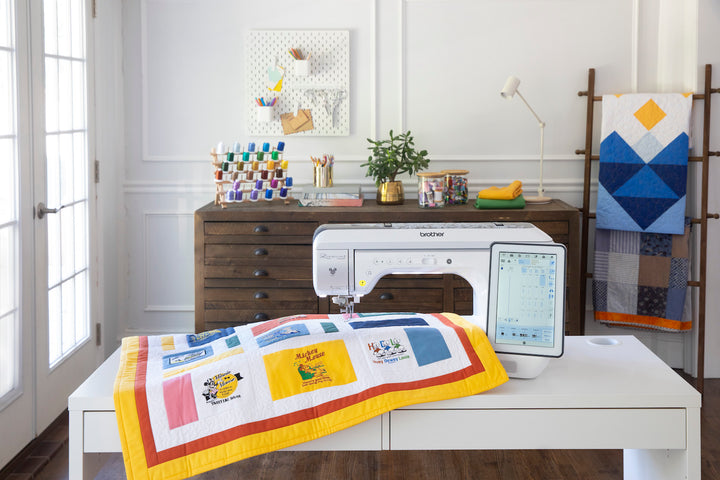
Baby Lock Aerial Sewing and Embroidery Machine
Regular price $7,599.00Sale price $7,599.00 Regular priceUnit price per$8,799.0014% offSale

FAQs
What is a computerized sewing machine?
A computerized sewing machine uses a microprocessor to control stitch selection, tension, and speed. Instead of manual dials and cams, stitches are selected through buttons or a touchscreen display. These machines store hundreds of stitch patterns digitally and often include automatic threading, bobbin sensors, and programmable stitch sequences.
Computerized vs. mechanical sewing machine: what's the difference?
Mechanical machines use physical gears, cams, and hand-turned dials to create stitches. Computerized machines use digital controls and an electronic motor driven by a microprocessor. Computerized models typically offer more stitch options (often 100+), automatic tension adjustment, and LCD screens. Mechanical machines have fewer components, require no software, and are generally easier to service at home.
Are computerized sewing machines harder to repair?
Electronic repairs require specialized technicians, and parts can be more expensive. However, computerized machines often have fewer mechanical components that wear out. Many issues are software-related and resolve with a reset or update. Mechanical problems like timing or tension still occur and are repaired the same way as on mechanical machines.
Can a computerized sewing machine work without electricity?
No. Computerized sewing machines require constant electrical power to operate the microprocessor, display, and motor. Unlike vintage treadle or hand-crank machines, they cannot function manually. A surge protector is recommended to protect the electronics from power fluctuations.
What features should I look for in a computerized sewing machine?
Key features to consider:
- Automatic needle threader: Speeds up setup and reduces eye strain.
- LCD or touchscreen display: Makes stitch selection and adjustments easier.
- Adjustable speed control: Essential for beginners and detailed work.
- Built-in stitch library: More options for decorative and utility stitches.
- Automatic thread cutter: Trims threads at the push of a button.
- Throat space: Wider space (9"+ from needle to arm) is better for quilting.
Beginner-friendly options include the Janome 2030DC-G, Brother NS80e, and Baby Lock Presto 2.
Do computerized sewing machines need software updates?
Some do. Higher-end models from Brother, Janome, Baby Lock, and Bernina release firmware updates that fix bugs or add features. Updates are typically downloaded from the manufacturer's website and installed via USB. Entry-level computerized machines rarely require updates. Check your machine's manual for specific instructions.