
-
All Quality Sewing Offerings
OESD Headless Horseman Tiling Scene Thread Kit
Regular price $175.23Sale price $175.23 Regular priceUnit price per$0.00Liquid error (snippets/price line 86): Computation results in '-Infinity'% off -
All Quality Sewing Offerings
Floriani 100 Thread Colors - (Set 3)
Regular price $499.99Sale price $499.99 Regular priceUnit price per$699.9929% offSale -
All Quality Sewing Offerings
Brother Best 100 Spool Box ETPBEST100
Regular price $299.00Sale price $299.00 Regular priceUnit price per$679.9956% offSale -
All Quality Sewing Offerings
Floriani 60 Spool Completer Set
Regular price $299.99Sale price $299.99 Regular priceUnit price per$419.9929% offSale -
All Quality Sewing Offerings
KingStar Metallic Patriotic Thread Pack 1000 Meter Spools
Regular price $53.97Sale price $53.97 Regular priceUnit price per$0.00Liquid error (snippets/price line 86): Computation results in '-Infinity'% off -
All Quality Sewing Offerings
Baby Lock Madeira Rayon Thread Chest
Regular price $599.00Sale price $599.00 Regular priceUnit price per$951.8937% offSale -
All Quality Sewing Offerings
New 120 Spool Rainbow Thread Set with Rainbow Software for FREE!
Regular price $479.99Sale price $479.99 Regular priceUnit price per$896.9946% offSale -
All Quality Sewing Offerings
OESD Midnight Delivery Thread Kit
Regular price $219.17Sale price $219.17 Regular priceUnit price per$0.00Liquid error (snippets/price line 86): Computation results in '-Infinity'% off -
All Quality Sewing Offerings
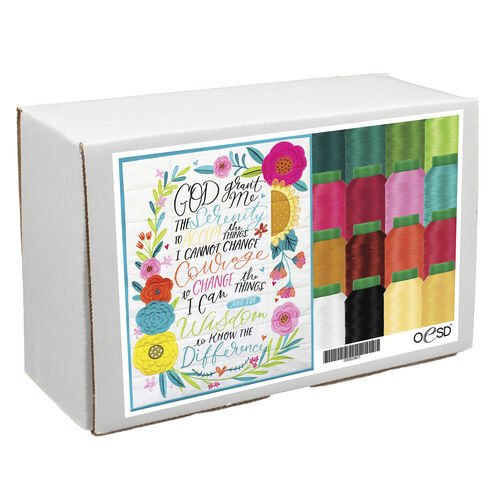
OESD Serenity Prayer Thread Kit
Regular price $103.84Sale price $103.84 Regular priceUnit price per$0.00Liquid error (snippets/price line 86): Computation results in '-Infinity'% off -
All Quality Sewing Offerings
OESD O Christmas Tree Thread Set
Regular price $56.99Sale price $56.99 Regular priceUnit price per$71.3920% offSale -
All Quality Sewing Offerings
Regular price $285.56Sale price $285.56 Regular priceUnit price per$0.00Liquid error (snippets/price line 86): Computation results in '-Infinity'% off -
All Quality Sewing Offerings
OESD Enchanted Santa Tiling Scene Thread Kit
Regular price $198.59Sale price $198.59 Regular priceUnit price per$0.00Liquid error (snippets/price line 86): Computation results in '-Infinity'% off -
All Quality Sewing Offerings
OESD O Holy Night Isacord Thread Kit IS80301KIT
Regular price $343.97Sale price $343.97 Regular priceUnit price per$0.00Liquid error (snippets/price line 86): Computation results in '-Infinity'% off -
All Quality Sewing Offerings
Floriani 100 Thread Colors - (Set 2)
Regular price $499.99Sale price $499.99 Regular priceUnit price per$699.9929% offSale




FAQs
What weight of embroidery thread should I use?
The most common embroidery thread weight is 40wt, which works well for most machine embroidery projects. For finer details, 60wt thread is ideal, while 30wt or lower creates bolder stitches.
What is the difference between rayon and polyester embroidery thread?
Rayon thread has a natural sheen and soft drape, making it ideal for decorative embroidery on garments and delicate fabrics. Polyester thread is stronger, colorfast, and resistant to chlorine and UV fading. Choose rayon for projects that prioritize appearance, like dress embroidery. Choose polyester for items that need durability and frequent washing, like towels, bags, and children's clothing.
Can I use regular sewing thread for embroidery?
Not recommended. Regular sewing thread (typically 50 weight cotton or polyester) is designed for construction, not decoration. Embroidery thread is thinner, has a higher sheen, and is engineered to run smoothly through high-speed embroidery machines. Using sewing thread can cause tension problems, thread breaks, and dull-looking designs. For best results, use thread specifically made for machine embroidery from brands like Madeira or Floriani.
How do I prevent embroidery thread from breaking?
Common causes of thread breakage and fixes:
- Incorrect tension: Loosen upper tension slightly for embroidery. Most machines need lower tension than regular sewing.
- Wrong needle: Use embroidery needles (size 75/11 or 90/14) with a larger eye and special scarf to reduce friction.
- Poor quality thread: Old or cheap thread frays and snaps. Store thread away from sunlight and humidity.
- Incorrect threading: Rethread completely, ensuring thread flows smoothly through all guides.
- Burrs on needle plate or hook: Inspect for damage and replace if needed.
What is metallic embroidery thread used for?
Metallic thread adds sparkle and shine to embroidery designs. It works well for holiday projects, formal wear embellishments, and decorative accents. Metallic thread requires slower stitching speeds, a metallic or topstitch needle, and reduced upper tension. Use it sparingly as an accent rather than for full coverage designs. The KingStar Metallic Thread Kit includes popular colors for getting started.
What weight thread should I use for machine embroidery?
40 weight thread is the standard for most machine embroidery. It works with built-in designs and purchased patterns without requiring tension adjustments. Use 12 weight thread for bolder, more textured designs with fewer stitches. Use 60 weight thread for fine detail work and small lettering. Most embroidery designs are digitized for 40 weight thread.