

-
All Quality Sewing Offerings
Batting On A Roll 100% Natural Cotton 2.25" x 50 yds
Regular price $24.99Sale price $24.99 Regular priceUnit price per$0.00Liquid error (snippets/price line 86): Computation results in '-Infinity'% off -
All Quality Sewing Offerings
Katahdin On-A-Roll 100% Cotton 2.5in x 25yds
Regular price $17.99Sale price $17.99 Regular priceUnit price per$0.00Liquid error (snippets/price line 86): Computation results in '-Infinity'% off -

All Quality Sewing Offerings
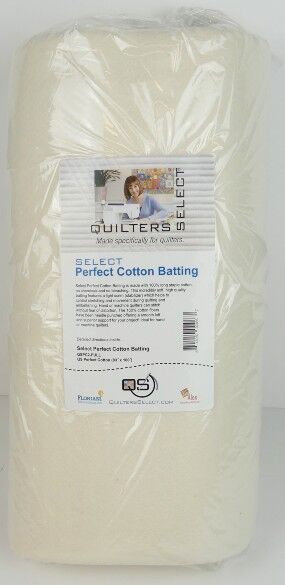
Quilters Select Perfect Cotton Batting
Regular price From $35.99Sale price From $35.99 Regular priceUnit price per$44.9920% offSale -

All Quality Sewing Offerings
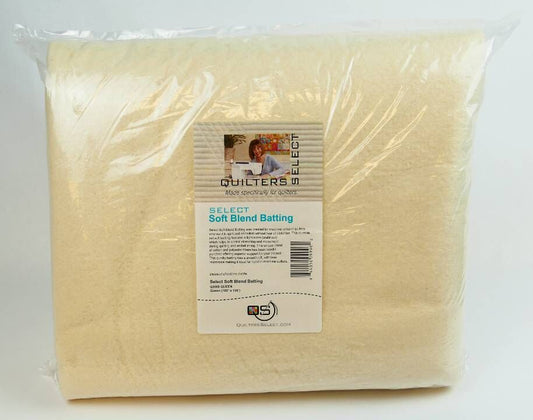
Quilters Select Soft Blend Batting
Regular price From $49.99Sale price From $49.99 Regular priceUnit price per$61.9919% offSale -
All Quality Sewing Offerings
Quilters Select Perfect Cotton Batting - 120" x 20yrds
Regular price $403.99Sale price $403.99 Regular priceUnit price per$504.9920% offSale -
All Quality Sewing Offerings
Quilters Select Soft Blend Batting - 122" x 20yrds
Regular price $399.99Sale price $399.99 Regular priceUnit price per$499.9920% offSale -
All Quality Sewing Offerings
Heat Press Batting Together 1.5in x 15yds
Regular price $9.99Sale price $9.99 Regular priceUnit price per$0.00Liquid error (snippets/price line 86): Computation results in '-Infinity'% off -
All Quality Sewing Offerings
Fusible Fleece Pellon Batting 22in x 36in
Regular price $7.70Sale price $7.70 Regular priceUnit price per





FAQs
What is quilt batting?
Quilt batting (also called wadding) is the soft, insulating layer between a quilt top and backing. It adds warmth, loft, and texture to finished quilts.
Batting comes in different fibers, thicknesses, and sizes. The type you choose affects how your quilt looks, feels, drapes, and washes over time.
What are the different types of quilt batting?
Quilt batting comes in several fiber types:
- Cotton: Natural fiber with a flat, traditional look. Breathable and soft. Shrinks slightly when washed, creating a crinkled vintage appearance.
- Polyester: Lightweight and lofty. Holds its shape well, resists moisture, and works for tied quilts or projects with wider quilting lines.
- Cotton-poly blend: Combines the softness of cotton with the stability of polyester. A popular middle-ground option.
- Wool: Warm, breathable, and naturally resilient. Springs back after compression. Good for hand quilting.
- Bamboo: Eco-friendly, silky drape, and naturally antibacterial. Often blended with cotton.
Each fiber behaves differently in the wash and under the needle. Consider your project's end use when choosing.
What size batting do I need for my quilt?
Your batting should be 4 to 6 inches larger than your quilt top on all sides. This extra margin allows for shifting during quilting and gets trimmed away before binding.
Standard pre-cut batting sizes:
- Crib: 45" x 60"
- Twin: 72" x 90"
- Full/Double: 81" x 96"
- Queen: 90" x 108"
- King: 120" x 120"
For custom sizes or large projects, batting by the roll lets you cut exactly what you need. Use our Backing and Batting Calculator to figure yardage for your quilt dimensions.
What is the difference between cotton and polyester batting?
Cotton batting and polyester batting differ in feel, loft, and performance:
- Loft: Cotton is flatter and denser. Polyester is puffier and lighter.
- Drape: Cotton quilts drape softly and feel heavier. Polyester quilts are lighter and hold more air.
- Shrinkage: Cotton shrinks 3-5% when washed, creating a crinkled, vintage look. Polyester stays stable.
- Breathability: Cotton breathes better for warm sleepers. Polyester retains more warmth.
- Bearding: Polyester fibers can migrate through fabric (bearding) more than cotton.
Cotton works well for bed quilts, baby quilts, and anything you want to feel soft and lived-in. Polyester suits wall hangings, decorative quilts, and projects where you want loft without weight.
Do I need to prewash quilt batting before using it?
Usually no. Most quilt batting is ready to use straight from the package. However, some situations call for prewashing:
- You want to avoid shrinkage: Prewashing cotton batting removes the shrinkage that would otherwise happen after your first wash. The finished quilt stays flat instead of getting that crinkled look.
- You're sensitive to sizing or finishes: Some battings have a light resin finish for easier handling. Washing removes it.
- The packaging recommends it: Check manufacturer instructions for specific care notes.
If you like the puckered, vintage appearance that comes from shrinkage, skip the prewash. Most quilters use batting straight from the package and let the quilt shrink naturally after the first wash.
How far apart can I quilt with this batting?
Every batting has a maximum quilting distance, which tells you how far apart your quilting lines can be before the batting shifts, bunches, or falls apart over time.
Typical quilting distances by type:
- Bonded cotton: Up to 8-10 inches apart
- Needle-punched cotton: Up to 4 inches apart
- Polyester: Up to 10-12 inches apart (sometimes more)
- Wool: Up to 3-4 inches apart
- Cotton-poly blends: Up to 8-10 inches apart
Check the batting label for the manufacturer's recommendation. If you plan minimal quilting or want to tie your quilt, choose a batting rated for wider spacing. For dense quilting designs, any batting works. A walking foot helps feed all three layers evenly regardless of quilting density.