

-
All Quality Sewing Offerings
Fashion Fuse 100% Cotton Woven Fusible Interfacing
Regular price $19.04Sale price $19.04 Regular priceUnit price per -
All Quality Sewing Offerings
Pellon SF101 Shape-Flex Fusible Interfacing, 20in x 1yd
Regular price $6.89Sale price $6.89 Regular priceUnit price per$0.00Liquid error (snippets/price line 86): Computation results in '-Infinity'% off -
All Quality Sewing Offerings
Clover Wonder Fuse Fusible Web 18in x 3yds
Regular price $23.50Sale price $23.50 Regular priceUnit price per -
All Quality Sewing Offerings
Regular price $9.95Sale price $9.95 Regular priceUnit price per -
All Quality Sewing Offerings
Fusible Fleece Pellon Batting 22in x 36in
Regular price $7.70Sale price $7.70 Regular priceUnit price per -
All Quality Sewing Offerings
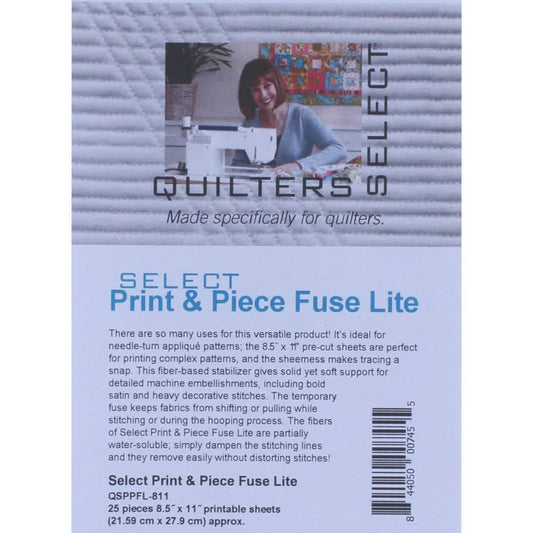
Quilters Select Print & Piece Fuse Lite
Regular price $23.99Sale price $23.99 Regular priceUnit price per$29.9920% offSale





FAQs
What is fusible interfacing?
Fusible interfacing is a fabric backing with heat-activated adhesive on one side. When pressed with an iron, it bonds to your fabric and adds structure, stability, or stiffness.
It comes in different weights and types (woven, non-woven, knit) to match various fabrics and project needs. Fusible interfacing is used in garment construction, bag making, home decor, and quilting.
What is fusible interfacing used for?
Fusible interfacing adds body and support to fabric. Common uses include:
- Garment details: Collars, cuffs, waistbands, plackets, and buttonhole areas.
- Bags and purses: Gives structure to tote bags, clutches, and zipper pouches.
- Home decor: Stiffens fabric for curtain headers, Roman shades, and pillow covers.
- Quilting: Stabilizes applique pieces and adds body to quilt blocks.
- Crafts: Supports fabric in embroidery hoops, fabric baskets, and soft boxes.
Without interfacing, lightweight or loosely woven fabrics can stretch, sag, or lose shape over time.
Fusible interfacing vs batting vs stabilizer: which do I need?
Lightweight Fusible Web for Appliqué and Crafts
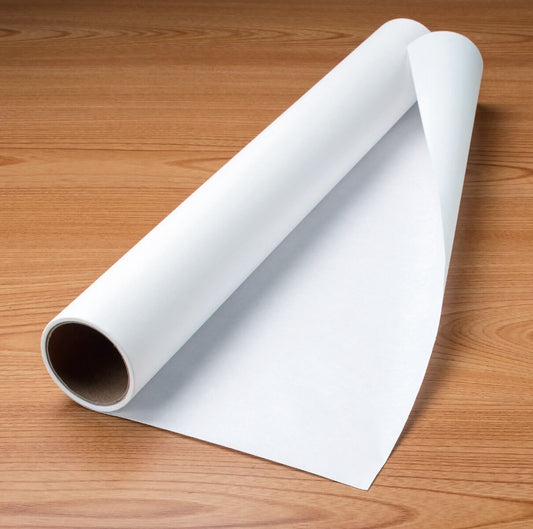
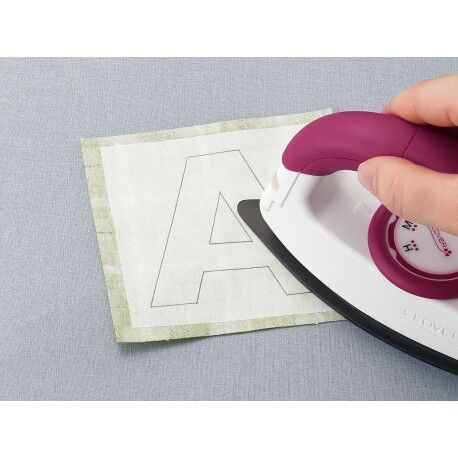
Clover Wonder Fuse is a paper-backed fusible web that bonds fabric pieces together while keeping them soft and flexible. The lightweight formula works well for appliqué, quilting, embroidery, and home decor projects where you need to fuse fabric without adding stiffness.
Product Details
- Size: 18" x 3 yards
- Type: Lightweight, single-sided fusible web
- Material: Non-woven fusible with paper backing
- Care: Follow fabric care instructions for washing and drying
Usage Tips
- Test first: Check fabric compatibility on a scrap before applying to your project.
- Avoid delicate fabrics: Not recommended for silk, lace, thin, or white fabrics.
- Use a press cloth: Place a protective layer between your iron and the fusible to prevent adhesive transfer.
- For durability: Add stitching around fused edges on items that will be washed frequently.
What is the difference between fusible and sew-in interfacing?
Fusible interfacing has heat-activated adhesive that bonds to fabric when pressed with an iron. It stays in place without stitching and works well for most garments and projects.
Sew-in interfacing has no adhesive. You attach it by basting or catching it in seams. It requires more handling but works better in certain situations:
- Heat-sensitive fabrics: Velvet, sequined fabric, or synthetics that can't handle high iron temperatures.
- Textured fabrics: Fabrics where adhesive might not bond evenly.
- Softer drape: When you want support without stiffness.
Fusible is faster and easier for most sewists. Sew-in gives more control when fabric or project requirements make fusing impractical.
Can I use fusible interfacing on knit fabrics?
Yes, but choose the right type. Standard woven or non-woven fusible interfacing can make knit fabric stiff and prevent it from stretching properly.
For knits, use:
- Knit fusible interfacing: Designed to stretch with the fabric. Stabilizes without eliminating stretch.
- Tricot interfacing: A lightweight knit interfacing that works well on jersey and lightweight knits.
Apply knit interfacing with the stretch going the same direction as your fabric's stretch. Use lower heat and less pressure than with wovens to avoid flattening the fabric's texture.
For serger projects with knits, interfacing on necklines and button bands prevents stretching while keeping the garment comfortable.
Why is my fusible interfacing not sticking?
If your fusible interfacing isn't bonding, check these common causes:
- Wrong side up: The adhesive side (usually rougher or slightly shiny) must face the fabric. If you fused it backwards, the adhesive is now on your iron or press cloth.
- Not enough heat: Turn up your iron. Most fusibles need medium-high heat to activate the adhesive.
- Not enough time: Hold the iron in place for 10 to 15 seconds per section. Quick passes won't fully melt the adhesive.
- Not enough pressure: Press down firmly. Light contact won't transfer enough heat.
- Moved too soon: Let the fabric cool before handling. Moving it while warm can break the bond before it sets.
- Old or low-quality interfacing: Adhesive can degrade over time or in humid storage. Test a scrap before using on your project.
If interfacing lifts after washing, it may need steam during application. Check the manufacturer's instructions for specific fusing recommendations.