

-
All Quality Sewing Offerings
Juki TL-2000QI High Speed Sewing & Quilting Machine
Regular price $1,799.00Sale price $1,799.00 Regular priceUnit price per -
All Quality Sewing Offerings
Juki TL-2010Q High-Speed Sewing Machine
Regular price $1,239.00Sale price $1,239.00 Regular priceUnit price per$2,169.0043% offSale -
All Quality Sewing Offerings
Baby Lock Zest Sewing Machine from the Genuine Collection - with FREE Online Classes
Regular price $209.00Sale price $209.00 Regular priceUnit price per$299.0030% offSale -
All Quality Sewing Offerings
Baby Lock Joy Sewing Machine from the Genuine Collection
Regular price $299.00Sale price $299.00 Regular priceUnit price per$399.0025% offSale -
All Quality Sewing Offerings
Baby Lock Zeal Sewing Machine from the Genuine Collection (Classroom Model)
Regular price $369.00Sale price $369.00 Regular priceUnit price per$549.0033% offSale -

All Quality Sewing Offerings
Grace Little Rebel Sewing & Quilting Machine
Regular price From $2,699.00Sale price From $2,699.00 Regular priceUnit price per$3,499.9523% offSale -
All Quality Sewing Offerings
Juki TL-15 High Speed Quilting and Sewing Machine
Regular price $1,239.00Sale price $1,239.00 Regular priceUnit price per$2,169.0043% offSale -
All Quality Sewing Offerings
Juki TL-18QVP Haruka High Speed Sewing and Quilting Machine
Regular price $1,959.00Sale price $1,959.00 Regular priceUnit price per$2,369.0017% offSale -
All Quality Sewing Offerings
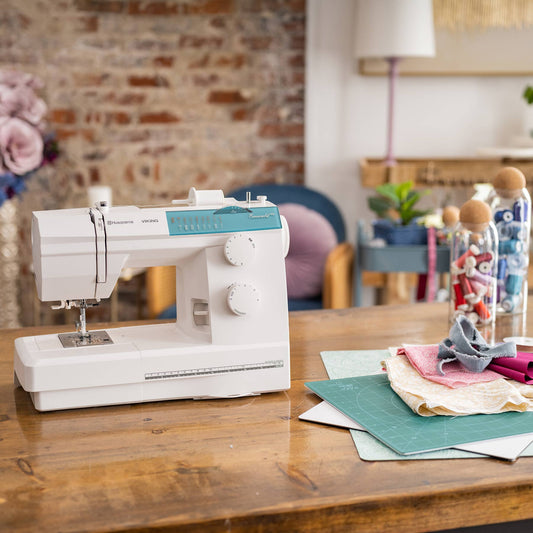
Viking Emerald 118 Sewing Machine
Regular price $619.00Sale price $619.00 Regular priceUnit price per$649.005% offSale -
All Quality Sewing Offerings
Janome HD3000 Heavy Duty Sewing Machine
Regular price $529.00Sale price $529.00 Regular priceUnit price per$559.005% offSale -
All Quality Sewing Offerings
Singer Heavy Duty Sewing Machine HD6380
Regular price $279.99Sale price $279.99 Regular priceUnit price per$349.9920% offSale -
All Quality Sewing Offerings
Regular price $399.00Sale price $399.00 Regular priceUnit price per$429.007% offSale -
All Quality Sewing Offerings
Janome HD1000 Heavy Duty Sewing Machine
Regular price $399.00Sale price $399.00 Regular priceUnit price per$409.002% offSale -
All Quality Sewing Offerings
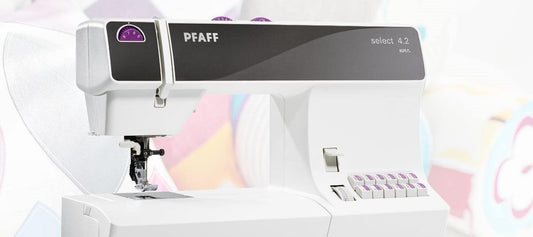
Pfaff Select 4.2 Sewing Machine
Regular price $849.00Sale price $849.00 Regular priceUnit price per$999.0015% offSale -
All Quality Sewing Offerings
Janome HD9 Professional Sewing and Quilting Machine
Regular price $2,099.00Sale price $2,099.00 Regular priceUnit price per$2,499.0016% offSale -
All Quality Sewing Offerings
Singer Heavy Duty HD4411 Sewing Machine
Regular price $209.99Sale price $209.99 Regular priceUnit price per$269.9922% offSale -
All Quality Sewing Offerings
Viking Emerald 116 Sewing Machine
Regular price $519.00Sale price $519.00 Regular priceUnit price per$549.005% offSale -
All Quality Sewing Offerings
Regular price $269.99Sale price $269.99 Regular priceUnit price per$329.9918% offSale -
All Quality Sewing Offerings
Baby Lock Accomplish 2 Sewing Machine
Regular price $1,399.00Sale price $1,399.00 Regular priceUnit price per$1,799.0022% offSale -
All Quality Sewing Offerings
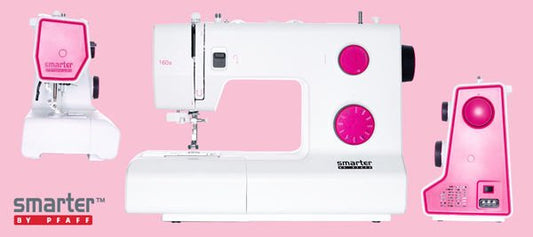
Smarter by Pfaff 160s Sewing Machine
Regular price $389.00Sale price $389.00 Regular priceUnit price per$429.009% offSale -
All Quality Sewing Offerings
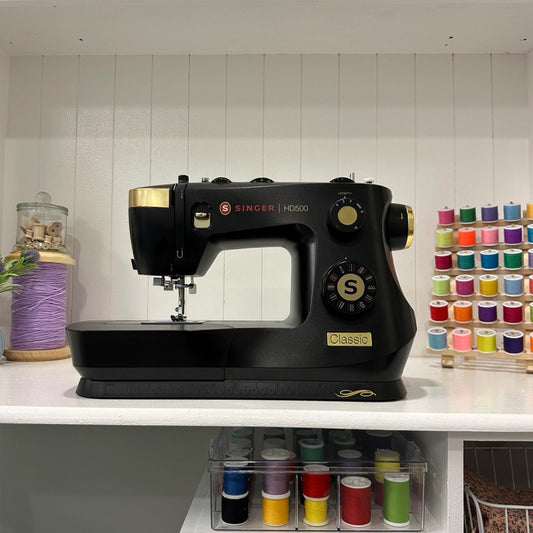
Singer HD500 Classic Black Heavy Duty Sewing Machine
Regular price $379.99Sale price $379.99 Regular priceUnit price per$479.9921% offSale -
-
All Quality Sewing Offerings
Regular price $349.00Sale price $349.00 Regular priceUnit price per$379.008% offSale -
All Quality Sewing Offerings
Bernette 08 Straight Stitch Sewing & Quilting Machine
Regular price $2,299.00Sale price $2,299.00 Regular priceUnit price per$2,999.0023% offSale













FAQs
What is a mechanical sewing machine?
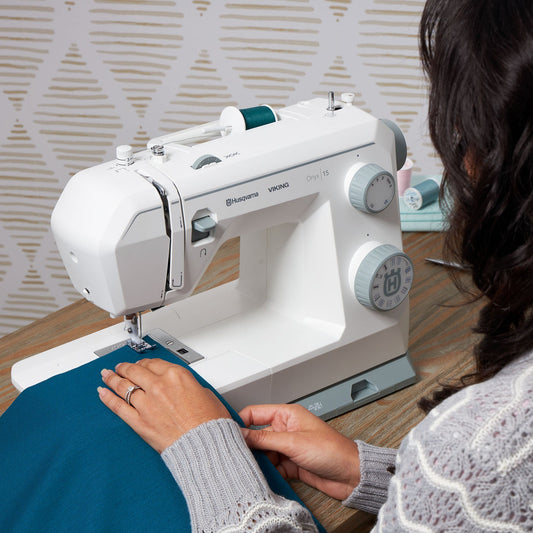
A mechanical sewing machine uses manual dials and knobs to control stitch selection, length, and width. There are no computerized screens or digital settings. All adjustments are made by hand, which makes these machines straightforward to learn and operate.
Who should buy a mechanical sewing machine?
Mechanical machines work well for:
- Beginners: Fewer settings to learn and no menus to navigate.
- Classrooms: Simple controls for teaching environments.
- Budget-conscious sewists: Lower cost than computerized models with similar stitch quality.
- Practical sewists: Reliable machines for hemming, mending, and basic garment construction.
Browse our full selection of beginner sewing machines for more options.
What can I sew on a mechanical sewing machine?
Mechanical machines handle most everyday sewing projects.
Common uses include:
- Garment construction: Dresses, shirts, pants, and simple tailoring.
- Home decor: Curtains, pillows, and simple upholstery.
- Quilting: Piecing quilt tops and basic quilting.
- Repairs: Hemming, mending, zippers, and buttonholes.
Many mechanical machines sew through multiple fabric layers and heavier materials like denim and canvas.
How do mechanical sewing machines differ from computerized machines?
Mechanical machines use dials and levers for adjustments, while computerized machines use touchscreens and digital controls.
Key differences:
- Controls: Manual dials vs. digital touchscreen.
- Stitch count: Typically 10-30 stitches vs. hundreds on computerized models.
- Price: Generally lower cost for mechanical machines.
- Repairs: Fewer electronic components that could need service.
Do mechanical sewing machines need electricity?
Yes. Most mechanical sewing machines are electric and require power to run the motor. The term "mechanical" refers to the manual controls, not the power source. These machines plug into standard household outlets. Some vintage machines have foot treadles or hand cranks, but modern mechanical machines are electrically powered.
How many stitches do mechanical sewing machines have?
Most mechanical machines offer between 10 and 30 built-in stitches. This typically includes straight stitch, zigzag, blind hem, stretch stitches, and one or more buttonhole options. This stitch selection covers the majority of everyday sewing needs.