

-
All Quality Sewing Offerings
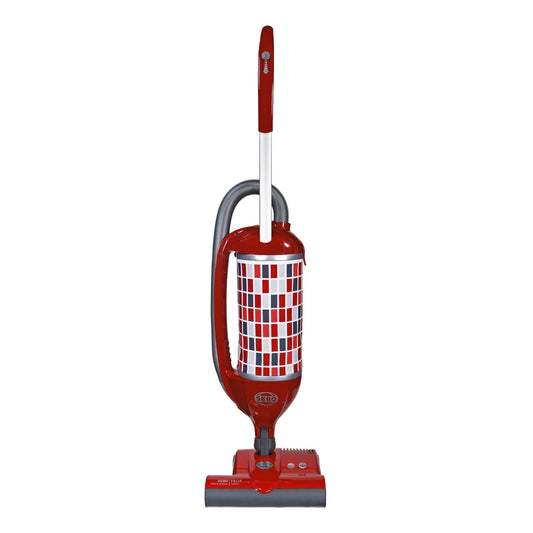
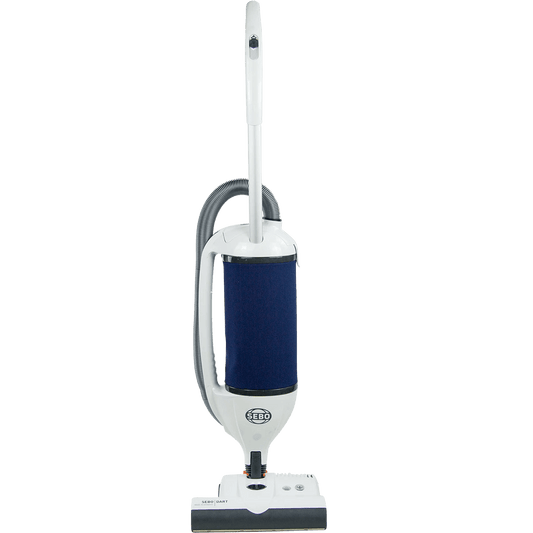
SEBO Felix Premium Upright Vacuum Cleaner
Regular price $799.00Sale price $799.00 Regular priceUnit price per -
All Quality Sewing Offerings
Sebo Airbelt K3 Premium Canister Vacuum
Regular price $949.00Sale price $949.00 Regular priceUnit price per -
All Quality Sewing Offerings
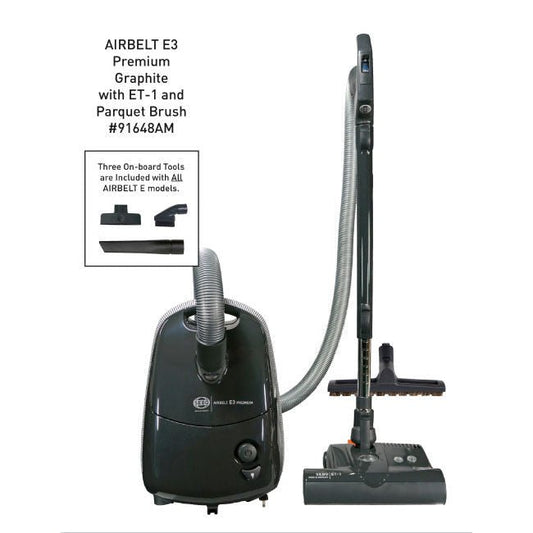
SEBO Airbelt E3 Premium with Dual Control Handle
Regular price $1,149.00Sale price $1,149.00 Regular priceUnit price per -
All Quality Sewing Offerings
Riccar R10E SupraLite Entry Lightweight Upright Vacuum
Regular price $349.99Sale price $349.99 Regular priceUnit price per$399.9913% offSale -
All Quality Sewing Offerings
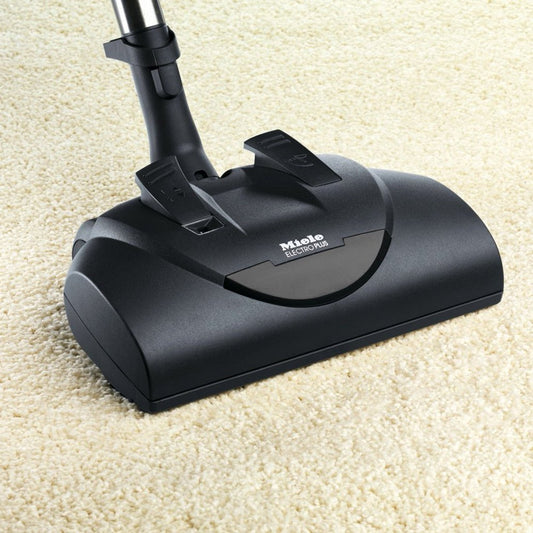
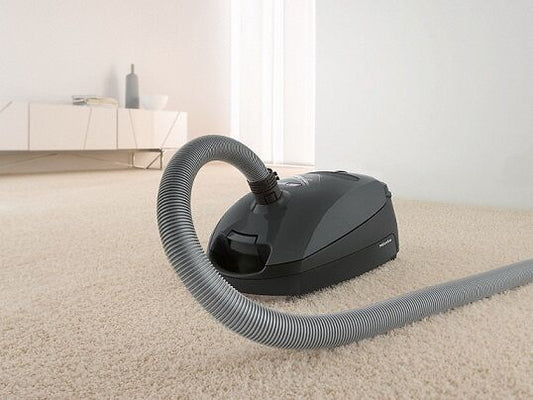
Miele Classic C1 Cat & Dog Canister Vacuum
Regular price $829.00Sale price $829.00 Regular priceUnit price per$929.0011% offSale -
All Quality Sewing Offerings
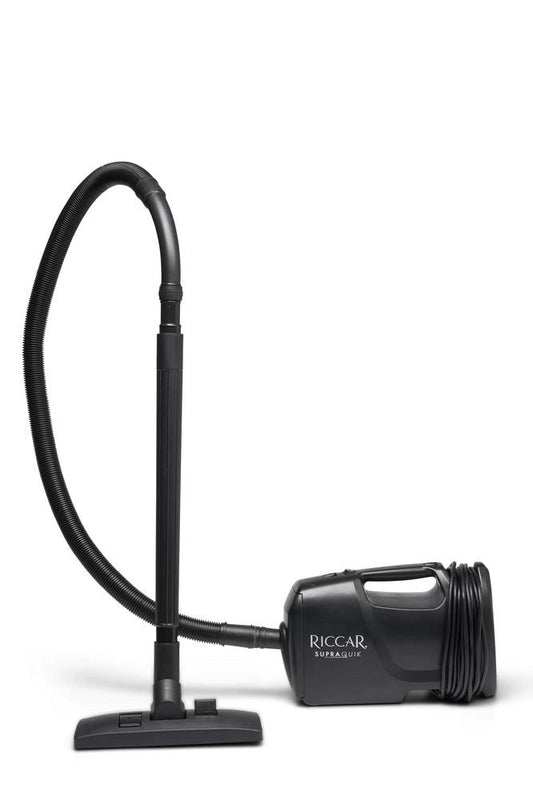
Riccar SupraQuik Portable Canister Vacuum
Regular price $199.99Sale price $199.99 Regular priceUnit price per$299.9933% offSale -
All Quality Sewing Offerings
Regular price $649.00Sale price $649.00 Regular priceUnit price per$0.00Liquid error (snippets/price line 86): Computation results in '-Infinity'% off -
All Quality Sewing Offerings
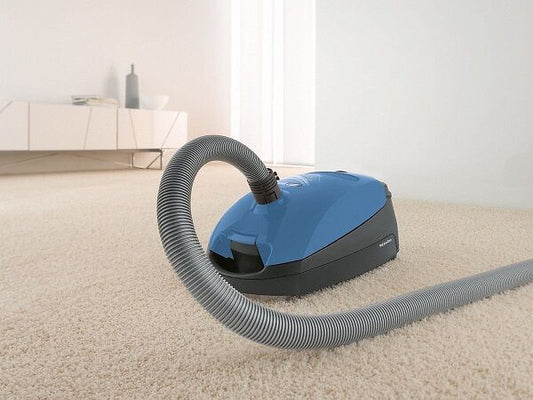
Miele Classic C1 Pure Suction Canister
Regular price $399.00Sale price $399.00 Regular priceUnit price per$499.0020% offSale -
All Quality Sewing Offerings
Miele Classic C1 Turbo Team Canister
Regular price $499.00Sale price $499.00 Regular priceUnit price per$599.0017% offSale -
All Quality Sewing Offerings
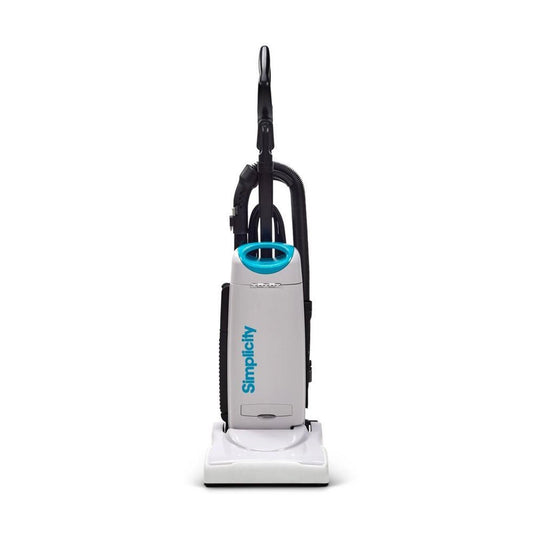
Simplicity S20EZM Allergy Upright Vacuum with HEPA Filtration
Regular price $279.99Sale price $279.99 Regular priceUnit price per$349.9920% offSale -
All Quality Sewing Offerings
Regular price $1,449.00Sale price $1,449.00 Regular priceUnit price per -
All Quality Sewing Offerings
Riccar R10S SupraLite Standard Lightweight Upright Vacuum Cleaner - Only 9 lbs
Regular price $599.99Sale price $599.99 Regular priceUnit price per$699.9914% offSale -
All Quality Sewing Offerings
Miele Guard M1 Cat & Dog Turbo Canister Vacuum
Regular price $649.00Sale price $649.00 Regular priceUnit price per$749.0013% offSale -
All Quality Sewing Offerings
SEBO Airbelt E2 Turbo Canister Vacuum
Regular price $749.00Sale price $749.00 Regular priceUnit price per$0.00Liquid error (snippets/price line 86): Computation results in '-Infinity'% off -
All Quality Sewing Offerings
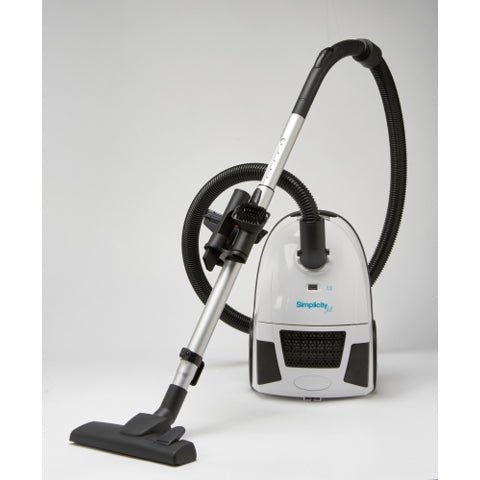
Simplicity Jill Canister Vacuum
Regular price $179.99Sale price $179.99 Regular priceUnit price per$249.9928% offSale -
All Quality Sewing Offerings
Regular price $349.99Sale price $349.99 Regular priceUnit price per$399.9913% offSale -
All Quality Sewing Offerings
Riccar Cordless SupraLite R10CV Lightweight Upright Vacuum
Regular price $849.99Sale price $849.99 Regular priceUnit price per$899.996% offSale -
All Quality Sewing Offerings
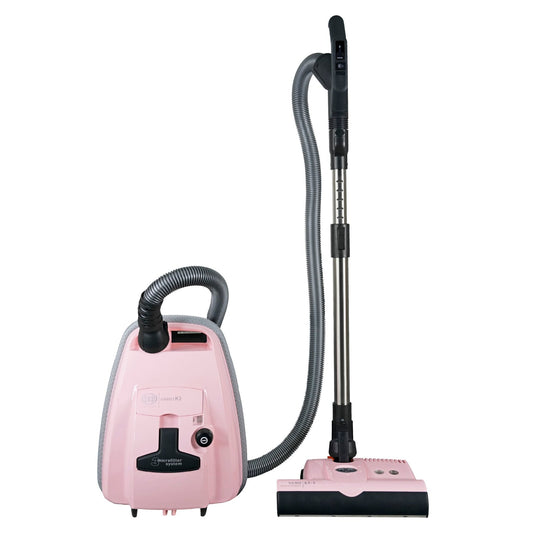
Sebo Airbelt K2 Turbo Canister Vacuum-Cherry
Regular price $599.00Sale price $599.00 Regular priceUnit price per$0.00Liquid error (snippets/price line 86): Computation results in '-Infinity'% off -
All Quality Sewing Offerings
Regular price $949.00Sale price $949.00 Regular priceUnit price per$0.00Liquid error (snippets/price line 86): Computation results in '-Infinity'% off -
All Quality Sewing Offerings
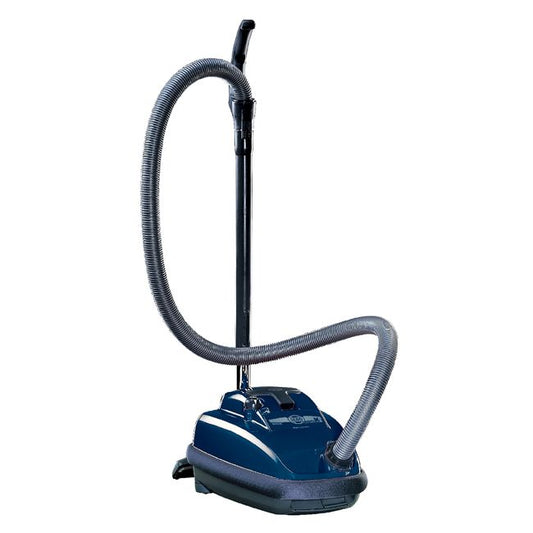
Sebo Airbelt K2 Kombi Canister Vacuum-Dark Blue
Regular price $499.00Sale price $499.00 Regular priceUnit price per -
All Quality Sewing Offerings
Regular price $283.00Sale price $283.00 Regular priceUnit price per$396.0029% offSale -
All Quality Sewing Offerings
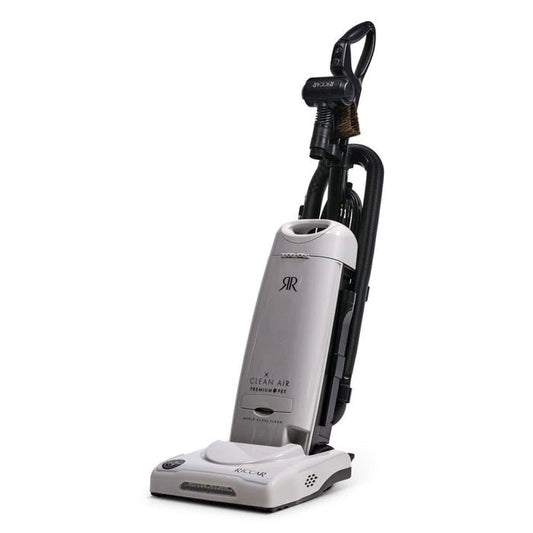
Riccar R27P Clean Air Premium Pet Upright Vacuum
Regular price $699.99Sale price $699.99 Regular priceUnit price per$799.9913% offSale -
All Quality Sewing Offerings
Regular price $299.99Sale price $299.99 Regular priceUnit price per$334.9910% offSale -
All Quality Sewing Offerings
Riccar R10P SupraLite Lightweight Upright Vacuum Cleaner - Only 9 lbs
Regular price $799.99Sale price $799.99 Regular priceUnit price per$899.9911% offSale





















FAQs
Why choose a bagged vacuum?
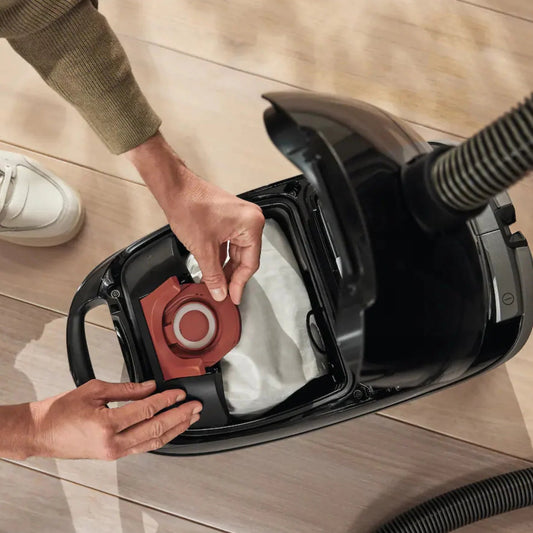
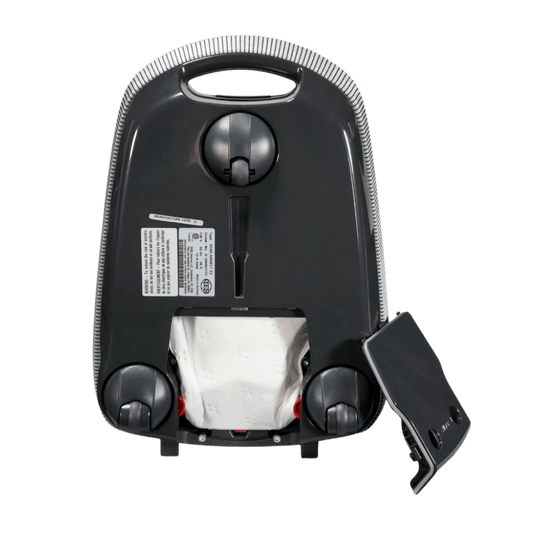
A sealed bag captures dust, dander, and allergens and holds them until disposal, so very little blows back into the room. Bagged vacuums also hold more debris than a bin and keep suction steady as they fill.
Main advantages:
- Cleaner disposal: Seal the bag and toss it with no dust cloud.
- Better for allergies: Trapped particles stay contained instead of recirculating.
- Larger capacity: Empty far less often than a bagless bin.
- Steady suction: Airflow stays consistent until the bag is full.
What is the difference between a bagged and bagless vacuum?
A bagged vacuum collects debris in a disposable bag that seals in dust when removed. A bagless vacuum empties a reusable bin, which saves on bags but releases dust during emptying and needs regular filter cleaning. Bagged models suit allergy households and hands-off upkeep; bagless suits those who vacuum often and want to skip buying bags.
How often do I change the bag, and are bags expensive?
Most households replace the bag every one to two months, sooner with pets or heavy use. Replacement vacuum bags run about $2 to $5 each in multi-packs, a small cost for the cleaner disposal and filtration they add. Change the bag when it reaches the fill line or suction starts to drop.
Are bagged vacuums better for allergies and asthma?
Yes. The sealed bag keeps collected dust and dander contained, and paired with a HEPA filter it captures fine allergens rather than recirculating them, especially at disposal when bagless bins release a dust cloud. Miele, SEBO, and Simplicity bagged models use sealed HEPA systems. Browse allergy-focused options in HEPA Vacuums.
Do bagged vacuums lose suction as they fill?
Less than bagless models. A quality multi-layer bag keeps air moving through as debris collects, so suction stays steady until the bag is nearly full. Bagless bins and their filters clog faster and often need cleaning to restore airflow.